IT Project Managers

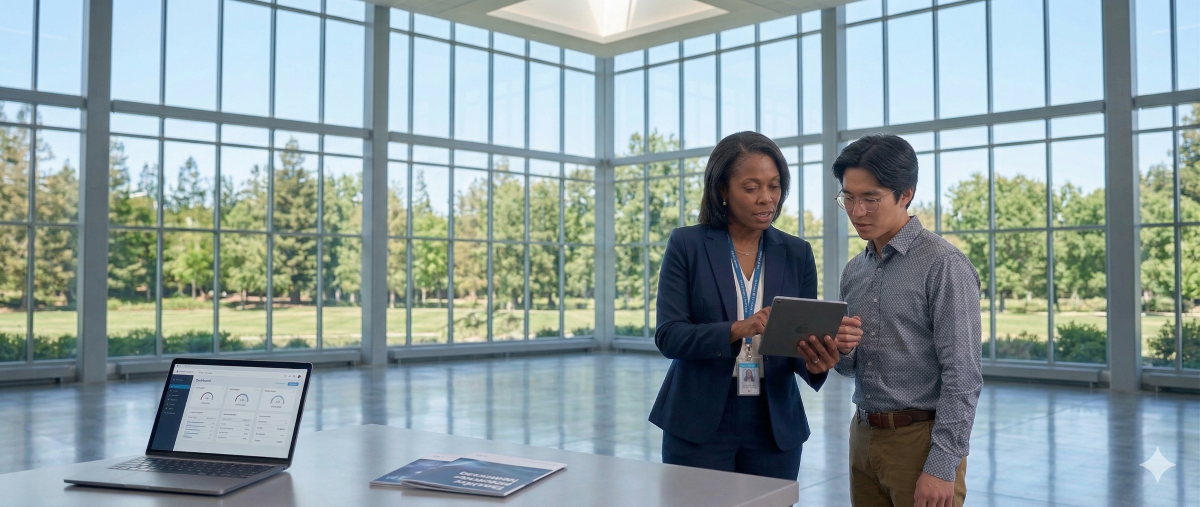
IT Project Managers are responsible for planning, executing, and finalising projects within the tech industry, ensuring completion on time, within budget, and within scope. They coordinate the efforts of team members and third-party contractors or consultants to deliver projects according to plan. The role involves defining project objectives, overseeing quality control throughout its life cycle, and managing the communication among project stakeholders.
IT Managers
IT Managers oversee an organisation's technology infrastructure and the teams that maintain it. They are responsible for strategic planning of IT capabilities to support the organisation's goals, managing IT budgets, and ensuring the smooth operation of IT services. IT Managers also play a key role in the selection and implementation of technology solutions and in mitigating IT risks.
Tech Architects
Tech Architects design the structure of IT systems to meet specific business requirements. This role involves creating detailed IT solutions through a combination of hardware and software that can solve particular business problems. Architects work closely with stakeholders to understand their needs and to design systems that are scalable, sustainable, and secure.
System Designers
System Designers focus on creating the blueprints for effective and efficient IT systems. They analyse and specify the software components and their interactions, aiming to ensure that the final system meets the users’ needs. System Designers work closely with Programmers and Software Developers to ensure the system's feasibility and functionality.
Programmers
Programmers write, test, and maintain the code that allows computer applications and software programs to function. They turn the program designs created by Software Developers and Engineers into instructions that a computer can follow. Programmers work in various programming languages, such as Python, Java, and C++.
Software Developers
Software Developers are the creative minds behind computer programs. They develop applications that enable users to perform specific tasks on computers or other devices. Developers may also develop underlying systems that run the devices or control networks. They typically work closely with end-users to develop software solutions that meet their needs.
Quality & Testing
Professionals in Quality & Testing are responsible for ensuring that software and systems are reliable and perform as expected. They conduct automated and manual tests to identify any defects or bugs in software products. Their work is critical to the software development lifecycle, aiming to improve the quality of the final product and user satisfaction.
Network Professionals
Network Professionals design, implement, and manage computer networks, such as local area networks (LANs), wide area networks (WANs), and internet systems. They ensure the stability and integrity of in-house voice, data, video, and wireless network services. This role is critical in maintaining an organisation’s connectivity and data communication systems.
Web Designers
Web Designers create the look, layout, and features of websites. The job involves understanding both graphic design and computer programming. Once a website is created, a designer helps with maintenance and additions to the website. They work to create visually appealing sites that feature user-friendly design and clear navigation.
Graphic Designers
Graphic & Multimedia Designers use art, text, and technology to communicate ideas visually. They work on various projects such as websites, advertising, books, magasines, posters, computer games, product packaging, exhibitions, and displays. These designers combine graphic design with animation, audio, video, and other forms of media.
Cyber Security
Cyber Security professionals protect systems, networks, and programs from digital attacks. Their work is crucial to safeguarding information from unauthorised access, cyber threats, and damage. They implement various strategies to monitor, detect, investigate, analyse, and respond to security incidents, ensuring the confidentiality, integrity, and availability of information.
Business Analysts
Business Analysts help guide businesses in improving processes, products, services, and software through data analysis. These professionals understand business needs and requirements and translate them into technical specifications for IT solutions. Business Analysts play a key role in bridging the gap between IT and the business using data analytics to assess processes, determine requirements, and deliver data-driven recommendations and reports to executives and stakeholders.